
















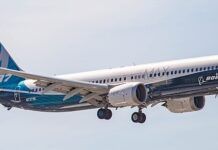

I must take issue with Mr. Ponder’s guesteditorial.
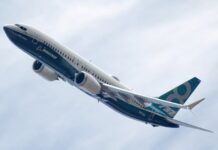
There is little doubt that the B737 rudder PCU has known rudder problems-but they should not upset the aircraft.
Until the recent tests at very extreme conditions, no one could demonstrate any rudder malfunction that could have rolled USAir in Pittsburgh or United in Colorado Springs into the maneuvers that resulted in the crashes. The conditions that finally produced a malfunction were so extreme that it is very unlikely that it was the cause of the USAir crash at PIT or the UAL crash at COS.
Articles like Mr. Ponder’s do little good. Lots of hand waving and anecdotal stories-but little realization that neither the FAA, the airlines, or the manufacturers can fix a discrepancy based on stories about “there I was at 30,000 ft.”
The FAA can’t mandate a fix for a piece of equipment until it knows what is the matter with that equipment-and Boeing can’t fix it until it knows what is wrong.
Sure the FAA is reluctant to ground 2500+ B737s, but the FAA would do it if they (or Boeing or the NTSB or ALPA or etc.) could figure out what caused the crash.
The repeated articles and accusations about all the horrible things the B737 has done with its rudder don’t help things-there needs to be some solid engineering to actually fix the problem. If you don’t know the cause of a malfunction and just go mucking around, we are just a likely to make things worse as fix them. The recent ADs seem like a resonable approach to trying to correct some known problems with the PCU.
I support finding a cause for the PIT and COS crashes and fixing it. I know the FAA supports this, and I suspect that Boeing does also. It would be far better to swallow this can of worms quickly than to drag things out. There is no percentage in a prolonged coverup.
I don’t support shooting in the dark, however, which is apparantly what Mr. Ponder supports when he advocates his fix for the B737. What fix? Specifically? One that will correct a known defect that can cause an upset of the magnitude that caused the PIT and COS crashes?
Mr. Ponder, if you have some specifics as to the exact causes of some of the upsets you quote, please forward them. Thousands of hours of engineering has not been able to duplicate anything that would cause such an upset.
Like it or not, the engineers are going to have to fix the rudder problem-not the pilots.
Also, pilots seem to get real sensitive when any insinuations are made about pilot error. I certainly don’t blame the pilots exclusively for the accidents, but it seems clear that they had a part in it-at least in the PIT accident. My understanding was they were pulling 3.8 G’s when nearly inverted below 4000 ft.
I can’t imagine a situation where this would be proper response, except maybe in a Pits Special. Maybe 3.8 negative g’s, but not positive! It seems likely that there was at least some improper pilot response (probably in conjunction with other malfunctions or wake turbulence).
The recent steps by UAL to require their pilots to undergo unusual attitude training are very good additions to improve the airmanship of airline pilots.
| Editor’s Note: For a counterpoint to this article, please read T.D. Ponder’s "Viewpoint 1: The FAA Should Fix the Airplane, Not the Pilots!" |
