








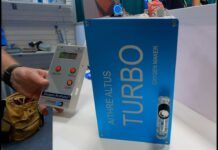








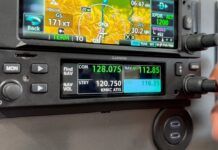










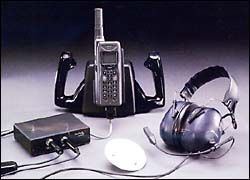
Using the 66 Iridium satellites in low earth orbit, Icarus Instruments hasdeveloped an aircraft interface for the Kyocera satellite phone. The interfaceplugs into the aircraft’s microphone and headset jacks, and the pilot then plugshis headset and microphone into the Icarus box. The box can be powered by acigarette lighter plug or other aircraft power. Icarus supplies a cable thatconnects its box to the sat phone. A small satellite antenna mounted on the topof the airplane provides full-time coverage from the Iridium constellation.
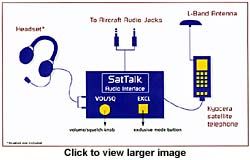 To make a call the pilot simply inputs the 10-digit telephone number and isconnected via his headset. AVweb placed a test call and found the qualityto be a bit below standard cellphone sound, but perfectly acceptable. There wereno delays, and the phone will work anywhere in the world. When an ATCcommunication is sensed by the Icarus interface, the phone’s volume is reducedso the pilot can hear the ATC transmission. If the pilot keys his mike button torespond to ATC, Icarus provides a synthesized voice message on the phone thatsays, "Please stand by, the pilot is busy." When the pilot lets go ofthe mike switch and begins talking again, the phone call is resumed.
Installation should be simple. The antenna needs to be installed by anavionics shop, but the rest can be mounted on the yoke by the pilot.
 The cost of the phone and the Icarus interface is $3,995. Iridium charges areapproximately $40 per month and the cost of each call averages less than $2 perminute. While that’s more than regular cellphone rates, it seems reasonable foraircraft use. The phone can be disconnected easily and taken out of the airplanefor portable use. The Iridium service includes call waiting, call forwarding andvoice mail. An emergency operator can be accessed 24 hours a day in any of 13languages by dialing 112. These calls receive immediate priority.
Icarus Instruments can be contacted at:
7000 Carroll Avenue
Suite 200
Takoma Park, MD 20912
The phone number is (301) 891-0600, and Icarus has itsown web site.
