










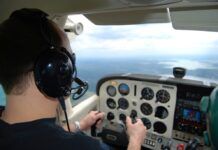















 Sometimes flying is its own reward. Youcatch the last rays of a beautiful sunset as you turn final, you calculate the fuel burnfor your trip down to the tenth of a gallon, or you grease it on at the end of your firstflight with your new in-laws. Every time we fly we usually come away with some newunderstanding of our skills, the airplane, weather, ATC, or the land below us.
Sometimes $100 omelet or hamburger flights are enough, but if you’ve ever yearned for amore meaningful reason to schedule a trip, consider public benefit flying.
  | The best way to find an organization near you is to contact the National Air Transport Helpline (NPATH) or the Air Care Alliance. If you happen to live in the western U.S. (Calif., Oreg., Wash., Idaho, Nev., Ariz., or N.M.) like I do, you’ll probably want to join Angel Flight West. There are many other active PBF organizations across the country, so there’s bound to be one in your area. |
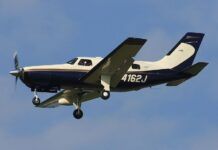
 I’ve been amember of Angel Flight Westsince about a month after I bought my Bellanca Viking in 1990. I read an article aboutpublic service you could do with a private pilot’s license, I was fairly new toCalifornia, and I was excited about having a reason to explore new corners of my adoptedstate. Since 1990 I’ve flown about two missions a month in California, Oregon, Nevada andArizona. I’ve enjoyed building my time in type and seeing some beautiful scenery, butperhaps the greatest reward is helping some very courageous people fight their diseases.
 Each organization has its own rules about minimum flight hours,pilot ratings, and which patients qualify for the service, so check with them for details.These aren’t air amblulance services so you’re not dealing with IV bottles and EKGmachines in your 182. Angel Flight West "arranges free air transportation on privateaircraft in response to health care and other compelling human needs". That means youmight fly an adult patient, a child patient, a guide dog for the blind, human organs,tissues, or blood, or a physician. These are volunteer organizations so you decidewhen and where you want to go and who you can carry in your airplane. And, it’s not justfor airplane owners. Most organizations accomodate airplane renters.
 Each patient has a unique story and it’s hard to forget them once you’ve flownthem. Kurt Vonnegut says "90% of success is just showing up". Most patients I’veflown are participating in experimental treatment programs at hospitals far from theirhomes, and wouldn’t be able to "show up" without the transportation that weprovide. A lot of Angel Flight’s patients are fighting various forms of cancer. I lostboth parents to cancer, so I’m always thrilled to hear that someone I’ve flown is inremission.
Costs you incur while flying for a 501.C3 non-profit organization are deductable fromyour income taxes, just like a cash donation to any other qualified charity. A few yearsago there was some confusion over whether taking a deduction was a form of payment, andthat by flying a mission you were actually operating under Part 135 of the FAR’s. Thisissue has been settled conclusively. Deduction or no deduction, public benefit flying canbe flown under Part 91. The Air Care Alliance page has a thorough explanation of theruling.
CFI’s and CFII’s can participate, too. Most PBF organizations allow instructors toclaim BFR’s and Instrument Proficiency Checks to other members as donations.
Public benefit flying organizations have an amazingly good safety record. Patients areurged to make backup plans in case of a weather delay, so the PIC decides if the missiongoes as scheduled.
 Have you ever given a donation to one of the mega-charities andwondered how much of your dollar actually gets to the people that you think you’re givingit to? With public benefit flying, it’s easy to see where your donation goes: to thepassenger at your 6.
So next time you’re filling out your logbook after one of those $100 omelet orhamburger flights, and your belly is full but your soul is a little hungry, think abouthow good you’d feel knowing that your flight could’ve helped someone battling a killerdisease to lead a longer, fuller life. It’s pretty neat when you can do that with anairplane!