















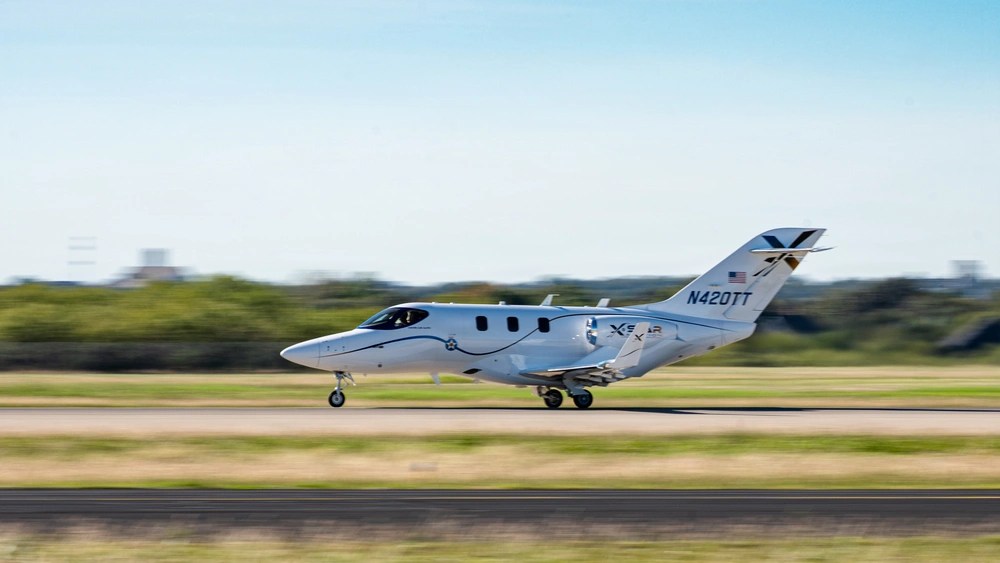

The U.S. Air Force has begun using contractor-operated HondaJet HA-420 light business jets to provide additional flight training for B-1B Lancer pilots stationed at Dyess Air Force Base in Texas. The new Bomber Supplemental Trainer for Aircrew Readiness (BSTAR) program completed its first military training flight Nov. 2 at Abilene Regional Airport, according to an Air Force announcement.
Additional Flight Hours
The program is expected to provide participating B-1 pilots with approximately 100 additional flight hours annually. Training will focus on instrument procedures, mission planning, aircraft handling and crew resource management. XSTAR Aviation will supply the HondaJets, instructor pilots, maintenance and scheduling under a contractor-owned, contractor-operated arrangement.
“Combat-ready aircrews are built on foundational airmanship, sound decision-making and time in the air,” Gen. S.L. Davis, commander of Air Force Global Strike Command, said. “We expect BSTAR’s innovative approach will allow us to better develop and experience our pilots by providing additional flying opportunities that complement the specialized training they receive in the B-1 at a much lower cost.”
Preserving Bomber Training
According to the Air Force, the supplemental flights in the HondaJet will allow pilots to practice fundamental aviation skills while preserving B-1 sorties for specialized training. Tasks such as aerial refueling, tactical operations and weapons delivery will continue to be conducted in the bomber. The program will also allow pilots to gain experience navigating changing weather conditions and air traffic outside the simulator.
The initiative follows other changes to military flight training that have increased the use of civilian aircraft and instructors. Under the Air Force’s revised pilot training program, civilian flight schools now provide some initial training before students transition to military aircraft. BSTAR extends the use of civilian training providers to experienced bomber pilots. The Air Force plans to evaluate HondaJet flight data and pilot feedback to determine whether the program could be expanded.


As per usual, the USAF couldn’t have chosen a worse pick for this program. The Honda jet has a bad safety record and has over 20 runway excursions.
Sounds like the ACE program SAC ran many decades ago. There were proficiency maintenance problems for B-52 co-pilots because Buff crews flew only a couple of times a month so co-pilots were only getting about one takeoff/landing a month – not good for rookie pilots new to the operational force. This program put a few T-38’s at each B-52 base for the co-pilots to fly pretty much any time they wanted. Doing a similar program with a bizjet makes even more sense as flying a transport category crew plane fits better with maintaining heavy jet crew proficiency. I would have expected them to use the T-1A’s (Beechjet 400) with which the service was quite familiar but I guess the USAF retired them all this past summer.
The runway excursions are primarily due to the PIC not following Honda’s recommendations
Air Safety Network accident history.
https://aviation-safety.net/asndb/type/HDJT
Also anybody over 6’ tall is going to have fun getting into the seats. The USAF has a bad habit of picking the wrong airplane for training. Anybody remember the T-67 Firefly?
The Honda jet has very small wheels and tires and has a bad history of anti-skid braking issues. At least GSC bases have really long runways where you don’t have to jump on the brakes.