
















Transportation Secretary Sean Duffy called for faster aircraft certification on Wednesday, citing concerns that lengthy approval processes could discourage aviation innovation and investment. Speaking at a Washington event, Duffy said the United States risks falling behind China unless regulators find ways to shorten certification timelines while maintaining safety standards.
“We need to make sure we have safe aviation, but can we move faster?” Duffy said, according to Reuters. He also questioned whether lengthy certification processes were discouraging manufacturers from developing new aircraft.
FAA Targets Certification Delays
The remarks come after an FAA proposal in June to modernize certification standards for transport-category aircraft and propulsion systems. The proposed changes would incorporate frequently granted exemptions, special conditions and equivalent-level-of-safety findings into existing regulations.
The FAA expects the revisions to reduce certification costs and administrative delays while maintaining or improving safety. The changes would also be intended to bring certain U.S. standards closer to European requirements, as outlined in the agency’s earlier Part 25 updates proposal.
Certification Timelines Under Scrutiny
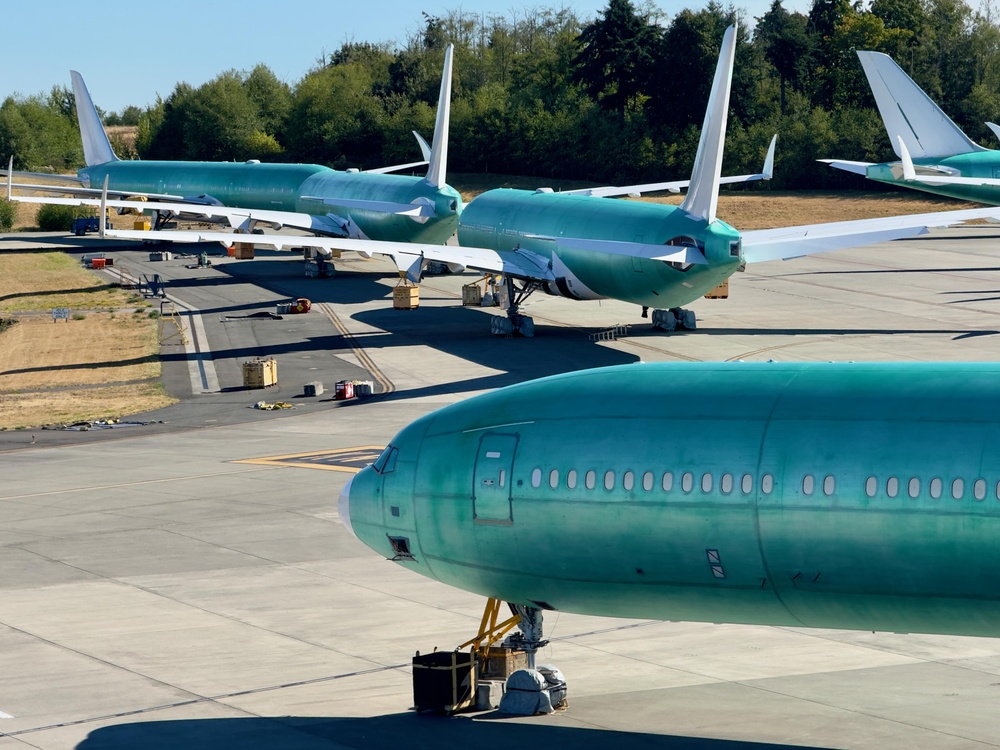
This reform push comes as several major aircraft programs have faced extended certification delays. Boeing’s 737 MAX 7 received FAA certification in August after a process lasting more than eight years, while the manufacturer’s 777X program remains more than five years behind its original schedule. FAA Administrator Bryan Bedford has also expressed support for certification reform and previously disclosed that the agency was working with industry on projects to streamline the process.
The June proposal specifically addresses transport-category aircraft and propulsion systems. It does not directly revise certification requirements for smaller Part 23 general aviation aircraft. Separately, lawmakers have advanced legislation addressing certification timelines for advanced air mobility aircraft. The FAA’s transport-category proposal completed its extended public comment period Sept. 24, and the agency has not announced a date for a final rule.


I’m all for certification reform if it can be done safely but using China as motivation is completely false and misleading. They have never certified an airliner that has achieved commercial success and continue to rely on Western products.
Well, let’s start with number and skill level of FAA staff - inexperience and quantity was identified as a problem with B737MAX and B787.
While not excusing developers like Boeing who didn’t follow their own change evaluation procedure when morphing a feature of the B737MAX (and before that point no clear experienced head gave leadership).
I don’t know why Bombardier was so late with the C-series airliner, probably same reasons including butthead jurks.
Making it clearer - there are buttheads in regulatory authorities and in applicants.
I’ve encountered them in FAA and TC. One MIDO inspector refused to follow HQ direction on flight test permits for avionics systems, he’d been among the FAA persons sued when a prototype airplane on cross-country trip to OSH did not arrive. Decades earlier TC people were tight after a DC-8 came out of the air.
There’ll be enough cases of professional disagreement - B707s for British operation had to have a stick nudger, B737s could not be switched between Britain and Canada seasonally.