















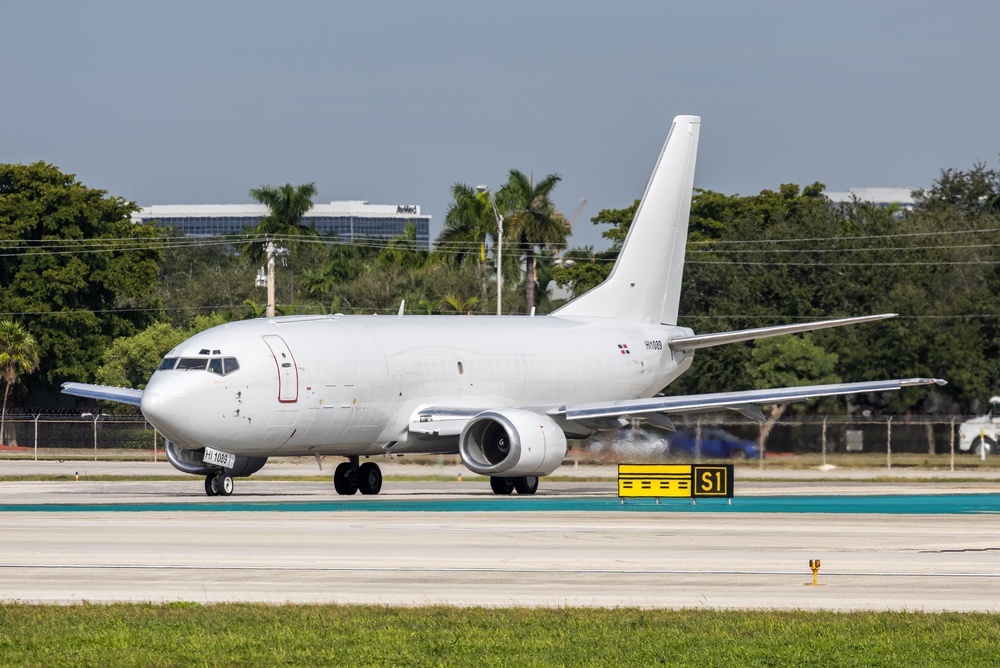

The FAA is proposing a new airworthiness directive for certain Boeing 737-300, -400 and -500 aircraft over angle-of-attack sensor vanes that can freeze and potentially affect the stall-warning system. The proposal, published Tuesday, follows nuisance stick-shaker activations reported on MD-90 aircraft that use related AOA sensor hardware.
Frozen Vane Problem
The MD-90 events occurred while the aircraft were accelerating to cruise speed at the top of climb. According to the FAA, recorded flight data and weather information indicated the AOA vanes had frozen because some sensors did not provide enough heat to prevent ice from forming around the vane pivot. Boeing subsequently determined that certain 737-300, -400 and -500 aircraft use AOA sensor part numbers susceptible to the same condition.
“Heavy moisture conditions on the ground can lead to water entering the AOA vane pivot and freezing prior to or during flight,” the FAA said in the proposed rule. The agency said the freezing could occur before departure or after the aircraft is airborne.
Proposed Fix
The proposed AD would require operators to install new external case heaters on the left and right AOA sensors and perform repetitive functional tests and corrective actions when necessary. Depending on aircraft configuration, additional work could include installing a junction box, adding wiring for automated probe heating, modifying circuit-breaker panels and replacing certain insulation blankets.
The FAA estimates the proposal would affect 133 U.S.-registered aircraft. Installation of the case heaters is estimated at $2,125 per aircraft, while additional required modifications could cost as much as $109,883 per airplane in some configurations. Comments on the proposed rule are due Oct. 2. The FAA said an unresolved sensor problem could lead to failure of the stall-warning system and jeopardize continued safe flight and landing.


This reminds me of my time working on F35 design. The LMCO baseline was to have all air fat port heater to be controlled by the pilot.
Which means the pilot can forget to turn them on. My proposal was to have them powered on with a controller to keep the air fat port from overheating. Cheap easy no pilot workload.
Overeuled until a B2 was destroyed by this exact problem of ice in an air data port.
Any flight critical item that can ice up should have a fully automated heating system w a feedback to the master control software to assure safe operation prior to flight. Cheap easy no pilot work load keeps peole alive.
Pray tell who is still flying the MD-90? NASA?
Boeing’s 737s had a green light for each pitot and static heater system, until an incident. I forget details of the switch of power.
Changed to orange, lit up if heat was off.
Ah, heating pitot and static systems is a challenge.
As Airbus discovered with AF447 high over the south Atlantic.
Airbus switched to the pitot tubes used on Boeing 707 and 727, which had extra heat because of an incident high over south Pacific. (Flight crew recognized airspeed was inaccurate so used other ways to monitor speed including IIRC Doppler navigation system.)
(I don’t know if the change was near enough to keep AF447’s airspeed system from freezing but it should help.)
I know of an airliner system that had extra heater wrapped around line from static port.