















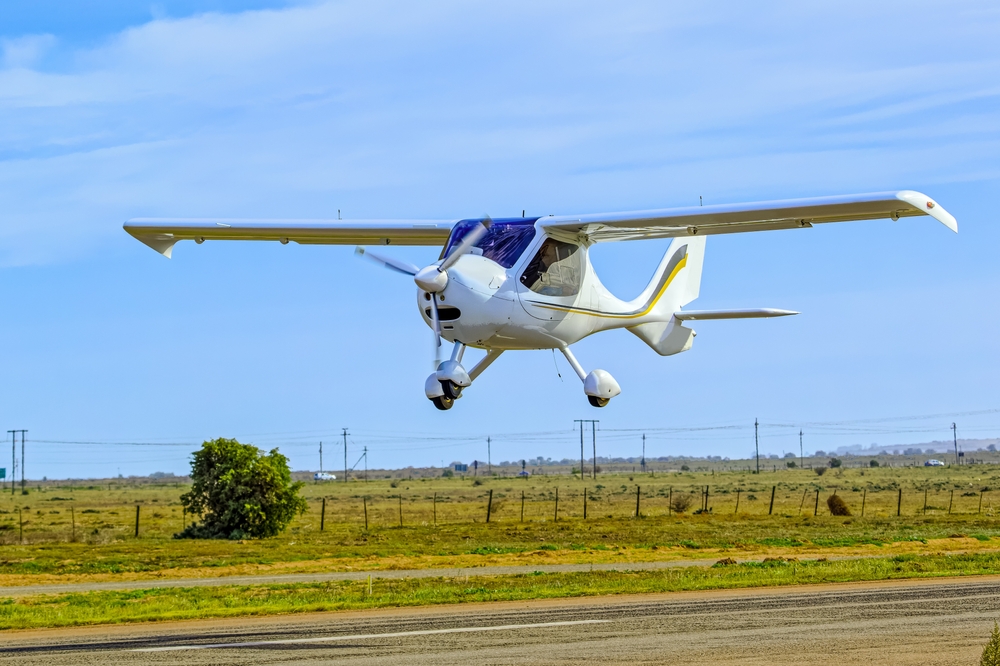

The FAA on Monday updated sport pilot practical test standards, including a change that raises the minimum altitude for completing slow-flight and stall tasks from 1,000 to 1,500 feet AGL. The final rule updates the standards used for sport pilot practical tests and proficiency checks following the expansion of sport pilot privileges under MOSAIC.
More Altitude for Stalls
The 1,500-foot minimum applies to the slow-flight, power-off stall and power-on stall tasks for airplane single-engine land and sea applicants. The higher altitude also brings the sport pilot standard in line with the corresponding private pilot airplane standard. The FAA said the additional margin is appropriate because MOSAIC permits sport pilots to operate larger aircraft than under the previous light-sport rules.
The revised standards also reflect a MOSAIC requirement for an existing sport pilot who wants to add an airplane single-engine land or sea privilege to complete a practical test. The same applies to flight instructors holding a sport pilot rating who want to add airplane privileges. That requirement was established by MOSAIC rather than Monday’s rule, which updates the PTS to match the regulations now in effect.
Other Standards Updated
The FAA is also replacing the existing PTS for airships and balloons and the separate PTS for powered parachutes and weight-shift-control aircraft with updated “B” versions. Those revisions do not introduce new areas of operation or testing elements. The agency said the overall testing process remains unchanged and expects no new costs for applicants or existing airmen.
Much of the remaining updates are terminology cleanup. The revised documents replace references to “light-sport aircraft” with “aircraft” meeting the performance and design limits of Section 61.316, reflecting the broader group of airplanes available to sport pilots after MOSAIC. The three updated standards will be available through the FAA’s testing page.


0 replies