

The Aircraft Owners and Pilots Association (AOPA) has responded to numerous requests from members for advice on how best to prepare an aircraft for surviving extreme weather, such as the hurricanes that are savaging the U.S. Southeast. The association recently reposted some of its regular hurricane season tips for securing aircraft in extreme circumstances.
If it is not possible to evacuate the area as a major storm approaches and an aircraft is not normally stored in a hangar, the first suggestion is to arrange temporary hangar space as far in advance as possible. AOPA recommends paying attention to the hangar’s construction as a flimsy hangar can be more dangerous for aircraft than riding the storm out on the ramp.
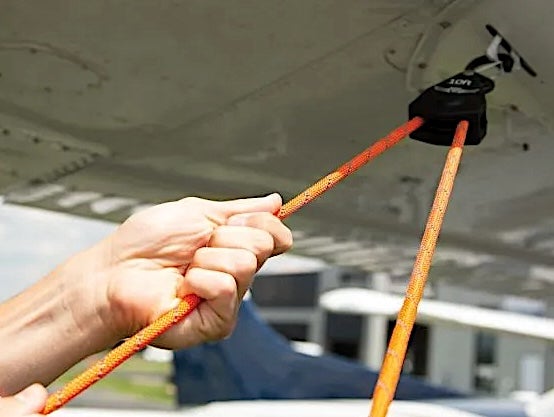
AOPA offers eight bullet points for securing an aircraft parked on a tiedown. First, secure or clear the area of objects, including a storage box, that could blow into the aircraft. If you have a choice, park upwind of other aircraft that could be blown into yours, but bear in mind that the wind could shift as the storm passes through. Then, chock the wheels as well as tying down the airframe. Check the Pilots Operating Handbook for best advice on whether to set the brakes or not.
Windows and doors should be firmly latched and engine inlets, pitot tubes, and static ports covered. But be sure that the covers are not loose and could batter the aircraft under heavy winds.
AOPA suggests considering deflating tires or digging holes to keep the wheels more firmly in place. Gust locks are also recommended. A lap belt secured to the control wheel can serve as a substitute for external aileron and elevator locks. Also, lift fences that serve as spoilers can keep an airplane from trying to “fly” while tied down.
The tiedowns themselves should be inspected for rotted rope or rusted chains. AOPA has detailed advice on tiedown strategies on the storm preparation section of its website.