













HOME
REGISTER/LOGIN
FREE NEWSLETTER
XML|RSS
Advanced Search
PODCAST
VIDEO
BRIEFS

May 5, 2004

Firefighting Fleet Faces Economic Challenges

By Mary Grady, Newswriter, Editor

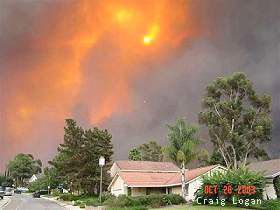
With summer fast approaching, so is wildfire season, which (along with record-breaking heat) is already blooming in southern California. The pilots who fly firefighting aircraft are well-aware of the accidents noted recently by the NTSB in which aging aircraft failed under the stress, and the industry has come up with its own "White Paper" to address the problems of how to fly safely. Called the SAFE initiative, for "Strategic Aerial Firefighting Excellence," the plan calls for replacing the current heavy air-tanker fleet, but says that could take 10 years. Meanwhile, the initiative calls for better monitoring of aircraft structures and suggests that contractors will need a two- to three-fold increase in hourly rates to cover investments in new aircraft. According to the report, the current heavy air-tanker rate is approximately $4,000 per flying hour. At this rate for the current type of 1950s aircraft, it is possible to break even on the original air-tanker investment within three years. However, if the contractor was required to acquire an ex-USN S-3 aircraft the break-even point goes to 14.1 years. For a newer type C-130E or P-3C turboprop aircraft, the break-even point goes way beyond 20 years.

JavaScript Menus and DHTML Menus Powered by Milonic

Copyright Aviation Publishing Group. All rights reserved | Privacy Policy | Advertise | Contact Us | XMLRSS | Site Map | Top